
EU prepares legislation on online drugs
- 6 May 2010


The European Union is preparing new measures to reduce the sale of counterfeit drugs and to warn the public of the risks of buying fake drugs online.
Last week, the European Parliament’s Environment and Public Health Committee met and gave unprecedented support for moves to tackle criminals providing counterfeit medicines, particularly online.
Internet sales were not included in the original draft legislation put forward by the European Commission in December 2008 but their inclusion was supported in a 51-0 vote last week.
The new measures will require legal internet pharmacies to be authorised by national authorities and display an official EU logo guarantying their authenticity, whose validity could be checked on a centralised national website.
MEPS are also campaigning for a full scale campaign to highlight the dangers of buying medicines from unauthorised sites and for stronger penalties against drug counterfeiters, supporting proposals from the Council of Europe to make the trade a criminal offence.
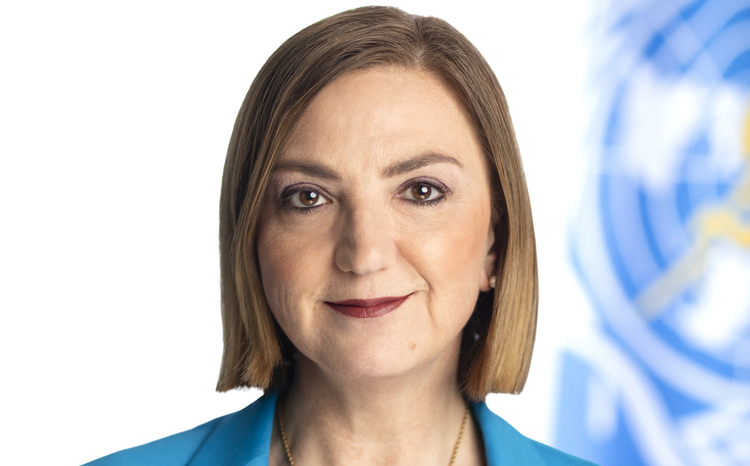
Marisa Matias, the Portuguese European United Left member fro, who is steering the draft legislation through parliament, said: “Drugs are a form of pharmaceutical crime which does not stop at borders of regions or states.
“The new measures are almost certain to be approved by the full parliament in July and will then need to be endorsed by the 27 European Union governments before becoming law. They provide a uniform definition for the first time of what in EU terminology is termed ‘falsified medicines’.”
The term covers any medicinal products that contain misleading information such as identity, name, composition and source. The legislation also calls for national authorities to carry out unannounced inspections of premises linked with medicines manufacturing and distributions.
Mathias put forward 15 amendments to the Commission’s original Falsified Medicines Directive, and without them, she said: “The Internet would have operated as the Trojan horse for fake medicines. We cannot leave the largest gateway for counterfeit drugs in Europe out of this legislation."