Ipswich looks to model A&E demand
- 21 January 2015
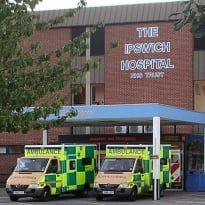


Ipswich Hospital NHS Trust is working with geographical information systems supplier Esri to assess how its location analytics technology can help it to manage demand for hospital services.
The trust, which provides healthcare services to 356,000 people across Ipswich and east Suffolk, is undertaking a feasibility programme to assess how location analysis software and statistical models can be used to assess A&E attendances and make changes to meet demand.
The solution provides Ipswich with a combination of insight from Esri’s geographical information systems and location analytics technology, and high-quality clinical and financial data analysis which feeds into long-term financial modelling.
Viewing the data in a map format has helped the trust to understand where the “hotspots” are in A&E based on a number of variables such as certain diseases, admission methods and the average time to treatment.
Ipswich said it will be able to use the solutions to manage resources, such as bringing in more clinical support staff to meet increased demand on certain days of the week.
Paul Scott, the trust’s director of finance and performance at IHT, said the work with Esri “has highlighted a different way of looking at our organisation and the demand pressures we face”, while allowing it to look at demand from a population basis instead of individual attendances.
“In short, it has given us a whole new platform for discussion and changed the conversation at board level to focus on moving to a more sophisticated way of visualising and reporting data.
“The [trust] board has even requested that geographic information and location is included within its business intelligence strategy.”
Dr Ed Wallington, the health and social care lead for Esri UK, said Ipswich has gained additional insight into demand for its A&E services by using the company’s solution.
The trust believes the data from patient demand analysis, mapping insights and possible interventions could provide a basis for service changes and reductions in waste in the future.