Rachel Hope: ‘Preventing ill health requires a huge shift in attitude’
- 20 March 2026


NHS England’s director of digital prevention services, Rachel Hope, leads on screening and vaccinations, and the new NHS Health Check Online.
It is all part of a drive to create a new personalised prevention service through the NHS App.
Ahead of speaking at Digital Health Rewired 2026, Hope says that great progress on prevention has been achieved over the last year “not least as a result of the NHS 10 year health plan”.
But where it gets “really exciting” is the difference the NHS App is making. She tells Digital Health News about how the NHS is opening the door to “truly personalised prevention services”.
The NHS has sometimes been called a ‘national sickness service’. Given the economic dividends of preventing ill health, why has it been so difficult to focus attention on prevention?
When it comes to diagnosing and treating someone, there are clear pathways and professionals with the right skills and specialisms. Preventing ill health requires a huge shift in attitude on the part of the healthcare system, but also on the part of people – to feel we can take care of our own health.
We know that proactive investment in prevention activities often has a higher potential return on investment compared to reactive care. But there are short-term pressures and needs, and no one wants to lose out.
Are the 10 year health plan’s ambitions to shift from ‘treatment to prevention’ and from ‘analogue to digital’ within reach?
Absolutely. The 10 year health plan was never going to be delivered overnight. We are already well on the way and the plan consolidates work that so far has taken place in pockets, amongst particularly progressive parts of the system.
It’s also important to recognise that ‘analogue to digital’ is not just about technology; it’s about applying digital-age service design and ways of working.
On prevention, we need to use digital to both get the basics right while also building a long-term relationship with users through the NHS App that builds an understanding of their health.
We have several new digital products for NHS professionals already out there and making a difference
We’re already making good progress. In 2025, we saved over £32 million through digital first communications – via the NHS App or SMS – including screening and vaccination invitations instead of letters.
We saw half a million more people return bowel cancer screening kits within two weeks compared to the previous year, following an NHS App message in advance of the kits being sent out.
We have several new digital products for NHS professionals working in prevention already out there and making an impact – helping community pharmacists and school vaccinations teams log vaccinations delivered live into NHS systems and people’s health records.
Radically better design of these staff-facing services is improving productivity, but it is also the outcome-driver that is hidden in plain sight. We can see that by improving these digital services, and associated ways of working, we’re improving uptake too.
How can the NHS App, and other digital platforms, drive prevention and personalised care without leaving more people behind?
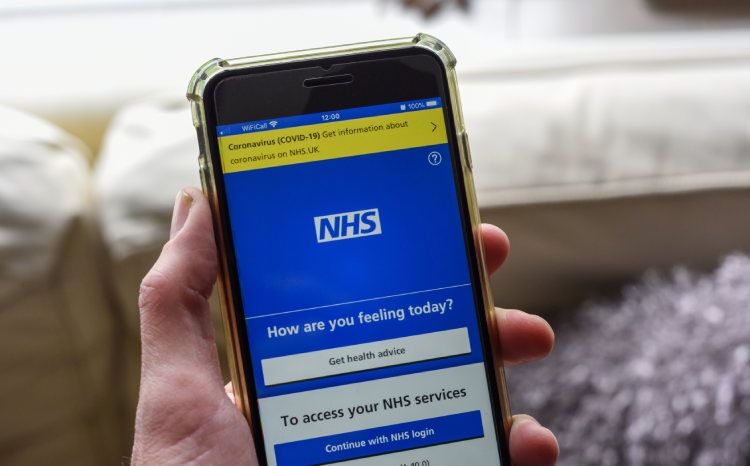
The NHS App has 40 million registered users. This is exceptional reach and has enormous potential to help people to manage their own health and ultimately offer a triple dividend for society – healthier people, a healthier economy and healthier finances.
We’ve already made huge progress with things like booking vaccination appointments. But where it gets really exciting is how the NHS App can allow for local prevention services to integrate deeply and offer personalised prevention services, targeted to people’s individual circumstances, lifestyle or health risk and local services.
The NHS App opens up new ways for groups of people to engage with healthcare services who may have found in-person, paper or telephone routes difficult.
It can reduce the fear of stigma or being judged, for example when discussing smoking, drinking or eating habits.
However, we also know that people in areas of higher deprivation have the greatest need of health services, but are less likely to access the NHS App.
That’s why we’ve been investing in improving the accessibility of NHS login and the NHS App, ensuring every user research session includes someone with an accessibility need and from an area of high deprivation.
We have also been partnering with community groups to help people to get online and build confidence using the NHS App.
Of course, not every person can use the app even with help, so we are rolling out proxy access, enabling carers and parents can do things on behalf of people who they support.
At Rewired 2024, you said the NHS needed to be more collaborative on prevention and called for networked conversations between leaders on how digital can enable change. Is this happening?
This has changed a great deal over the last year, not least as a result of the 10 year health plan, putting prevention and digital front and centre when it comes to improving health outcomes.
We have seen the medium term planning framework and elective care reform plan also placing the NHS App as central to achieving transformational change and productivity improvement.
This has led to a different type of conversation about the NHS App as a driver of improvement, not just an optional add-on.
For example, in NHS England we work hand-in-hand with our colleagues in vaccination and screening and with DHSC and local authorities on the online NHS Health Check, which is now live in 11 areas – increasing all the time.
We’re working in partnership with NHS system colleagues in provider trusts, integrated care boards and NHS regions to ensure products and services meet the needs of patients and professionals and are thoroughly and continuously tested and improved as we develop them.
What will your main message be to digital leaders at Rewired 2026?
Work with us. Get involved in developing the next generation of digital services and realising their benefits. Help shape things.
Visit our NHS Digital prevention services and NHS App Roadmap websites to find out more about services in development. We work in the open not because it’s a nice to have, but because we don’t know what we don’t know – and who we don’t know.
Hope will be speaking at Digital Health Rewired, which is taking place on 24-25 March 2026 at The NEC in Birmingham. Register here.
Rewired 2026’s headline sponsors are The Access Group and Optum, who will also sponsor the Integrated Care and Digital Transformation stages respectively.