University Hospital Southampton trial maternity remote screening
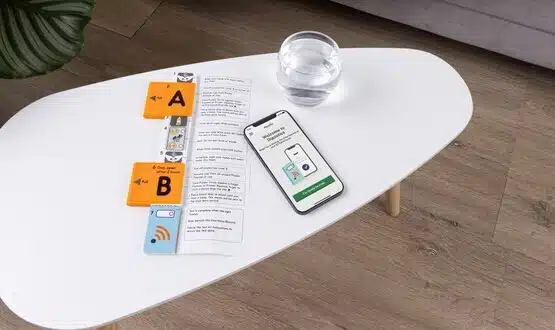


Pregnant women at University Hospital Southampton NHS Foundation Trust have become the first globally to access the gold standard oral glucose tolerance test through a remote screening initiative.
Traditional the screening process for gestational diabetes mellitus requires women to travel to a hospital clinic, having fasted, and then spend more than two hours at the hospital, making it inconvenient for most.
The remote screening initiative was first announced in April and saw women who were assessed as at-risk of developing the condition, issued with a GTT@home test kit from Digostics, by their midwife. This enabled them to test remotely, from the comfort of their own home, significantly improving access to the test.
The GTT@home test kit was developed by Digostics and combines new testing technologies and NFC wireless functionality which enables the user to immediately send their test data to their care team via a smartphone.
The two organisations trialled the new test which saw University Hospital Southampton improve test accessibility and saw 100% of women successfully test in their target test window. Overall 100% of both women on the trial and maternity staff would recommend the remote screening over traditional clinic testing.
Rachel Hanley, community service matron, University Hospital Southampton, said: “We are constantly trying to balance the critical importance of OGTT (oral glucose tolerance test) provision with the significant human resource and administrative demands in-clinic OGTTs place on us as a busy team.
“GTT@home has demonstrated that there is finally another way, one that not only helps ensure prompt and timely access to GDM testing, but that frees up countless valuable midwifery staffing hours to be redirected to other essential antenatal and postnatal activity.
The implementation of GTT@home stemmed from University Hospital Southampton’s ambition to improve the quality of the test and find a more patient-focused way to administer it. They also hoped to be able to speed up how quickly the test was done so that treatment could be initiated sooner if needed, as well as reduce the number of antenatal appointments to free up resources.
In addition, the remote testing kit sees results analysed immediately at the point of testing, eliminating the sample degradation that could occur between in-clinic blood sampling and laboratory analysis.
Dr Matthew Coleman, consultant obstetric physician at University Hospital Southampton, said: “The contribution GTT@home has made to improving OGTT test patient empowerment, equity and accuracy will enable improved care for our patients when GDM is suspected and detected.
“In equal parts we are excited that this revolutionary new at-home test is going to dramatically change the way we deliver GDM testing during antenatal care.”