
Smart bra to detect cancer for women with intellectual disabilities
- 19 November 2025


- The technology uses electrical current to spot subtle differences in body tissues
- An electronic textile monitors whether a tumour and alerts clinicians to potential risks
- Cancer Research UK says it could detect more breast cancers at the earliest stage
Researchers are developing a smart textiles bra to help women with intellectual disabilities monitor for breast cancer.
Women with intellectual disabilities face significantly higher mortality rates because cognitive, sensory, and physical needs cause barriers engaging with mammography.
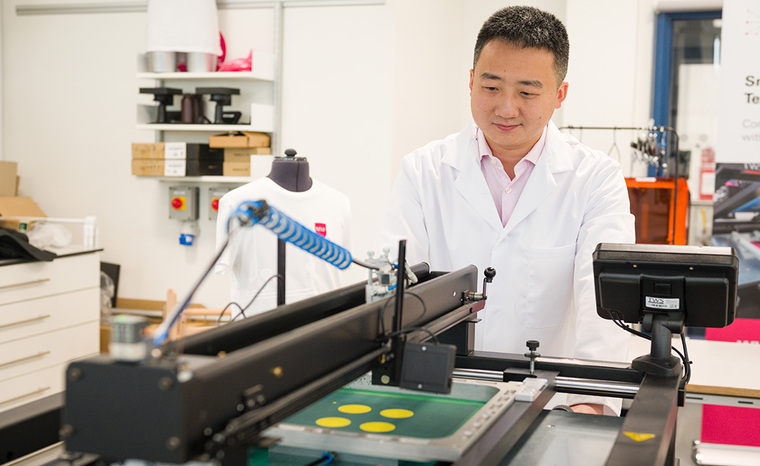
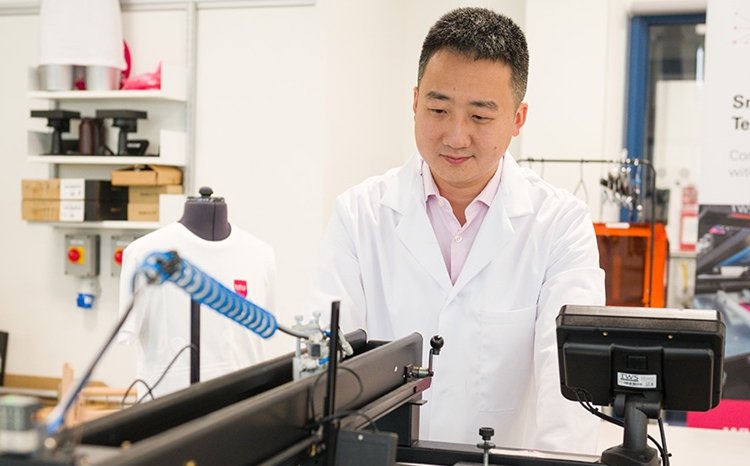
A team of scientists and designers at Nottingham Trent University (NTU) and the University of Glasgow (UofG) are developing an electronic textile which would fit inside a bra and monitor whether a tumour is growing in real time, before alerting clinicians to potential risks.
The research is led by Professor Yang Wei of the Nottingham School of Art & Design and Professor Deborah Cairns, director of the Scottish Learning Disabilities Observatory.
Professor Wei said: “Breast cancer can develop over time, and while some types grow quickly, others may progress slowly, making early detection critical for improving survival outcomes.
“This technology has the potential to save women’s lives by detecting tumours early, while being used as an added measure alongside all other normal checks and scans.
“We hope in the future that this technology could reduce the need for many other checks, such as MRI, ultrasound and mammograms, and in doing so create efficiencies for health services.”
The research is being developed at NTU’s Medical Technologies Innovation Facility and the Scottish Learning Disabilities Observatory at UofG, with an investment of around £100,000 from Cancer Research UK.
Cancer Research UK figures show there are 56,900 new cases of breast cancer in the UK every year, with around 11,200 breast cancer deaths.
Conventional mammography equipment creates technical barriers that disproportionately affect women with intellectual disabilities and standard screening protocols assume uniform physical capabilities, failing to accommodate diverse needs.
As tumours tend to be denser and hold less water than healthy areas, the electronic textile can help differentiate them by using a form of electrical current that can scan to spot subtle differences in body tissues.
The technology has the potential to detect growths as little as 5mm, enabling earlier detection and triggering other scans such as MRIs, as well as recording data and providing feedback via a smartphone to the wearer, carers, and clinicians so that assessments can be made.
It will be co-designed with input from women with intellectual disabilities, carers, and healthcare professionals to ensure usability and effectiveness.
Dr Dani Skirrow, research information manager at Cancer Research UK, said: “We’re committed to making sure everyone shares in this progress equally, regardless of who they are, where they’re from or what type of cancer they have.
“The ‘smart bra’ has the potential to make breast cancer screening more accessible so that more people can benefit from it. This would help us to detect more breast cancers at the earliest stage, when treatments are most likely to work.”
The research team says there is a potential for the technology to be developed as part of a new bra altogether, as well as an insert.