

NHS App to move from ‘front door’ to ‘companion’
- 25 March 2026
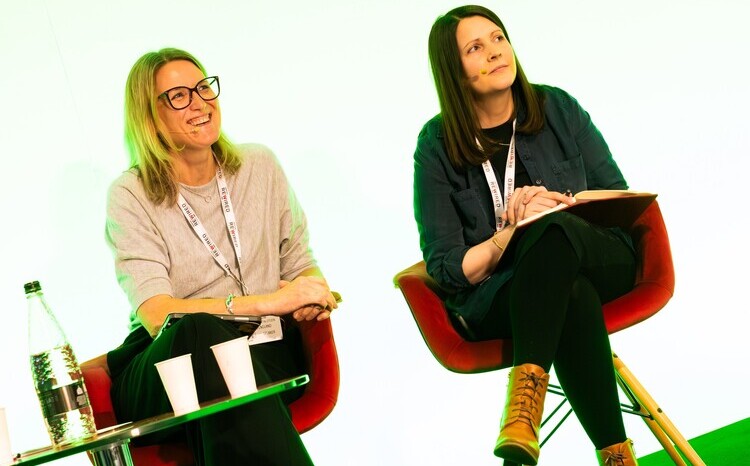


- The NHS App will provide a personalised health service with an AI-powered triage function, said Rachel Hope
- HPV and HIV home testing will be introduced over the next year
- In the next few weeks the layout of the app will be changed to make it easier to navigate
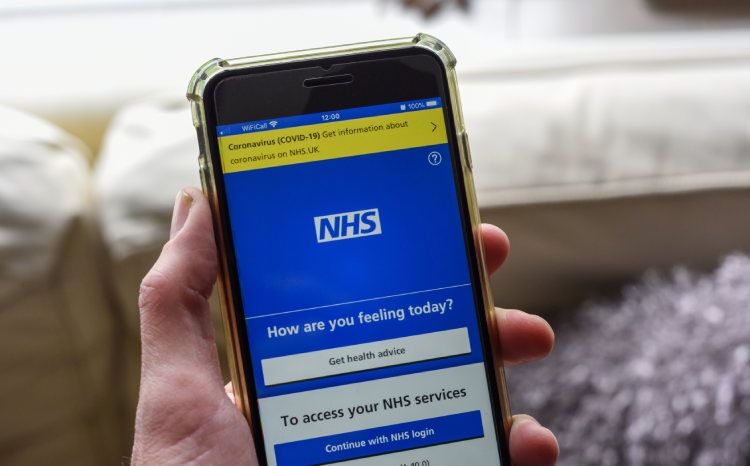
The NHS App will shift to becoming a personalised health companion over the next few years, according to NHS England’s director of digital prevention services.
Speaking at Digital Health Rewired on 24 March, Rachel Hope said: “You’ve heard us talk for many years about the NHS App being the front door to the NHS — a service people can interact with, a very valuable service, but not the only one.
“But what we’re doing through the work at the moment over the next three years is making the NHS App a companion, a place where people can input data, have information fed back to them, navigate to the next service, but also build an understanding of their health risks.”
She presented the prototype of an AI-powered triage through the app, which is intended to make it easier to manage unplanned care, more efficient to deliver planned care, and help people stay well to reduce future demand on the health service.
“What we want to do is personalise the way a person interacts with it, to help them understand their risk factors, help them know what the best next action is, and help them manage their health all within the NHS App,” Hope said.
She said that this would include improved access to screening, vaccinations, and health checks through the app, with HPV and HIV home testing to be introduced over the next year.
“We’re trying to make sure we’re improving access to population-level public health interventions, while at the same time personalising it to the person, so it’s easier for them to find and access those,” Hope said.
She added that a “series of services” would be built for NHS staff allowing them to more easily see a patient’s vaccination status, gain consent for vaccinations and record events.
“While we’re doing these things to make it easier for our healthcare professionals to interact and engage with public health interventions and get the data flowing, we’re also enabling them to drive uptake and really improve how many people are getting these services, which may or should save lives,” Hope said.
Speaking in the same session, Liz Clow, director of digital citizen at NHSE, said that there is an “appetite” for digital services which allow people to manage their health in the same way as booking a holiday or shopping online.
“We’ve got to meet people where they are, on demand, at home, because people expect to be able to manage their health in the same way that they manage any other parts of their life on demand, 24/7, when it’s convenient for them,” she said.
Clow added that “over the next couple of weeks” there will be changes to the layout of the NHS App to make it easier to navigate.
“So we’re making it simpler, we’re modifying the layout, but over time, over the next months and year ahead, we’re going to be moving to a more modern, more native functionality within the NHS App,” she said.
Meanwhile, a survey from the Health Foundation found that only 35% of people in households where the main earner is in casual work or unemployed would be willing to use an AI-powered virtual assistant on the NHS App, compared to 49% of the overall public.
Digital Health Rewired is taking place at the NEC Birmingham on 24 -25 March 2026.



1 Comments
The Health Foundation’s findings at the bottom of this article deserve to be at the top.
Only 35% of people in households where the main earner is in casual work or unemployed would use an AI-powered feature on the NHS App. Among the same group, 36% said they would not. That’s not a lukewarm response to a new product. That’s near-equal rejection from the people who carry the heaviest health burden.
Liz Clow said there’s an appetite for managing health the way people book holidays or shop online, and whilst appetite exists, the Health Foundation data actually shows it’s appetite for booking and admin functions. 76% would use the app to book a hospital appointment. Support falls sharply the moment AI enters the picture.
Those are not the same appetite. Describing them as one is where the psychological risk starts.
A companion that builds “an understanding of your health risks” and personalises your care pathway assumes a user who approaches it with confidence, digital familiarity, and trust in the system. The evidence tells us that’s not where large parts of the population are starting from. For those people, a tool designed to feel closer may actually increase distance from care.
That gap between assumed and evidenced readiness is a basic design and governance problem, and it needs to be named before the build gets much further.
Comments are closed.