

Malaria-detecting technology scoops James Dyson Award runner-up prize
- 21 November 2018
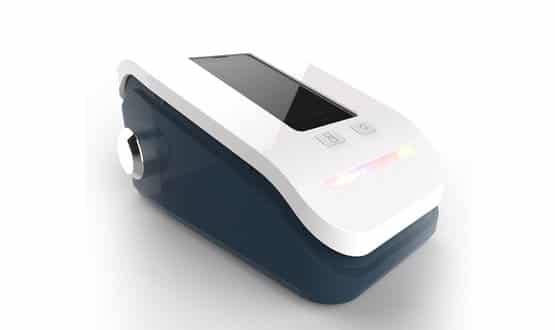


A team from the Netherlands which has developed technology which may be able to detect malaria using a smartphone has been awarded an international runners-up prize at this year’s James Dyson Awards.
The group of students from Delft University of Technology developed Excelscope 2.0, a smartphone diagnostic device that automates the analysis of blood samples.
The technology captures multiple field of views within a blood sample and uses an algorithm to determine the number of malaria parasites present.
The aim is to reduce workload of medical staff in developing countries.
As one of two runners-up in the international category, the team will be awarded £5,000.
Team member Francesco De Fazio said the runner-up prize would help develop the technology to other diseases such as Neglected Tropical Diseases (NTDs).
He added: “From here, we’re hoping to attract relevant investors to enable further field tests, which are cost-intensive. The next stages will be challenging, but we’re super excited at that prospect.”
The James Dyson Award is an annual competition that is open to students and graduates from 27 countries with applicants tasked to design something that solves a problem.
This year’s crop featured a number of healthcare innovations including Excelscope and MEDMO, which monitors fluid levels and notifies patients and caregivers through a wearable device and app.
James Dyson said: “Excelscope is the epitome of sustainable design. It takes widely available materials, and turns them into a potentially life-saving device. Such progressive thinking is exactly what I’m looking for.”