
Chelsea and Westminster patients confident in AI skin cancer assessments
- 6 December 2023


Chelsea and Westminster patients have been part of new research that has determined that the majority would rather have their skin assessed by artificial intelligence than wait weeks to see a dermatologist in person.
The new findings come from Skin Analytics, whose AI medical device DERM is being used by 12 NHS healthcare providers in the UK – including at Chelsea and Westminster Hospital.
Collecting the opinions of 268 patients at Chelsea and Westminster Hospital, the research reflects the growing level of acceptance by patients for virtual, AI-driven assessments, particularly if it can help drive down waiting times.
The DERM AI medical device has so far been used to assess over 53,000 NHS patients for skin cancer, correctly identifying more than 5,000 cases. It can assess an image of a skin lesion and classify it in seconds. This enables patients to either be safely discharged or directed to the right level of care promptly. High risk lesions are reviewed by a dermatologist virtually, who will then decide on a management outcome.
Speeding up diagnoses
Lucy Thomas, consultant dermatologist at Chelsea and Westminster, said: “The number of patients seeking clinical review of suspect skin lesions is on the rise which puts pressure on dermatology services to meet cancer diagnosis and treatment targets. Since its deployment (at Chelsea and Westminster Hospital) in April 2022, DERM has seen nearly 6,000 patients and has streamlined the urgent cancer pathway, discharging 20% without the need for a hospital dermatologist review and reducing the need for surgical procedures and routine clinic appointments.”
According to Skin Analytics, 62% of patients say they would be happy for skin lesions to be assessed by a computer if it sped up the process, rather than seeing a specialist in-person. A similar number (69%) agreed that having a computer assess photographs of their lesion saves time in comparison to a face-to-face consultation.
In addition, 84% felt comfortable having their lesions photographed with a mobile phone. The same percentage also felt that a computer assessing their photographer to help guide their GP was a good way of dealing with their issue.
In comparison, 15% said the prospect of having their lesions studied by a computer made them feel uncomfortable.
Ready for AI
Thomas said: “As clinicians we can often make assumptions about patient perspectives regarding their care. This study shows their acceptability and readiness for the incorporation of AI technology into the skin cancer pathway, particularly if it can speed up their diagnosis. This further supports what we’ve been observing in our NHS deployment since April 2022.”
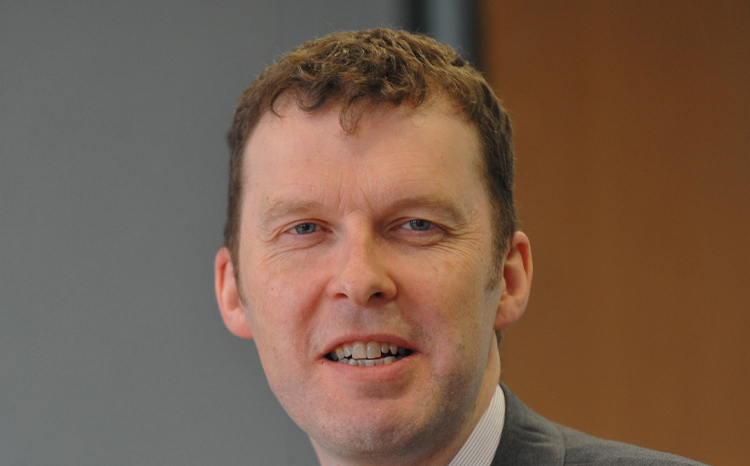
Neil Daly, CEO of Skin Analytics, added: “Our latest evidence on DERM shows that patients’ principal concern is around the speed of assessment in diagnosing skin cancer, and they feel comfortable in choosing AI and teledermatology over traditional appointments should they be faster.
“In our latest quarterly performance review, we have seen our AI medical device find >95% of skin cancers while discharging more than seven in 10 benign lesions. This is incredibly reassuring when we consider that survival rates for skin cancer soar above 95% if detected early. Not only that, it reduces anxieties for those patients with benign cases who are waiting to be seen.”
Just last month NHS England published its roadmap to accelerate the rollout of teledermatology integrated with AI to help reduce waiting lists.