
NHS App feature will enable patients to sign up for clinical trials
- 16 June 2025


- Patients will be able to browse and sign up to clinical trials via the NHS App
- Clinical trials will be featured on the app under the NIHR Be Part of Research service
- The plans are part of government efforts to cut the set up times for clinical trials
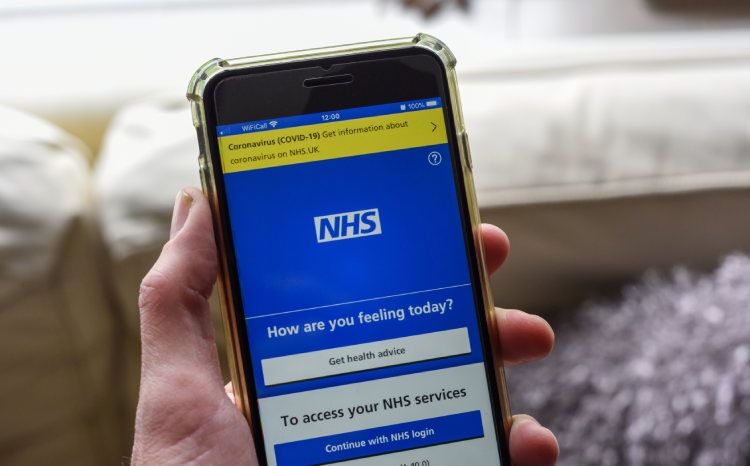
Patients will be able to browse and sign up to clinical trials via the NHS App, the Department of Health and Care (DHSC) has announced.
Eventually the app will be able to automatically match patients with studies based on their health data and interests and send push notifications about relevant new trials to sign up to.
The plans are part of government efforts to cut the set up times for clinical trials, to be announced in the forthcoming NHS 10 year health plan.
In a press release, published on 16 June 2025, Vin Diwakar, clinical transformation director at NHS England, said: “We’re making it easier to sign up for clinical trials through the NHS App so patients can access new treatments and technologies earlier, improving their quality of care.”
Clinical trials will be listed on the National Institute for Health and Care Research (NIHR) Be Part of Research service to be featured on the NHS App.
It comes as the NIHR launches a UK-wide recruitment drive for clinical trials to get more people involved in research, with a focus on underrepresented groups.
Wes Streeting, health secretary, said: “The 10 year plan for health will marry the genius of our country’s leading scientific minds, with the care and compassion of our health service, to put NHS patients at the front of the queue for new cutting-edge treatments.
“The NHS App will become the digital front door to the NHS and enable all of us as citizens to play our part in developing the medicines of the future.
“The British people showed they were willing to be part of finding the vaccine for Covid, so why not do it again to cure cancer and dementia?”
The government will introduce a national standardised contract aimed at saving time and simplifying paperwork to remove duplication on technical assurances.
This is aimed at helping to reduce commercial clinical trial set-up times to 150 days or less by March 2026.
The 10 year health plan will also bring transparency to which trusts are performing well in clinical trials, with the most successful trusts prioritised for government investment.
Professor Lucy Chappell, chief scientific adviser at the DHSC and chief executive officer of the NIHR said: “Integrated into the NHS App, the NIHR Be Part of Research service enables members of the public to be matched to vital trials, ensuring the best and latest treatments and care get to the NHS quicker.
“Ensuring all sites are consistently meeting the 150-day or less set-up time will bring us to the starting line, but together we aim to go further, faster to ensure the UK is a global destination for clinical research to improve the health and wealth of the nation.”
DHSC says that the Medicines and Healthcare products Regulatory Agency will focus its attention on the “most complex and potentially transformational new treatments”, including the regulation of AI.
The NHS 10 year health plan is expected to be published in July 2025.