

NHS urged to optimise existing tech before chasing new solutions
- 27 March 2026


- The chairs of the Digital Health Networks have urged NHS organisations to focus on optimising existing digital tools over chasing new technology
- They said there is a lack of follow-up and evaluation after implementation of digital tools
- John Mitchell also said that most people do not understand the benefits of the NHS App because they are hidden
The chairs of the Digital Health Networks have urged NHS organisations to focus on getting more value from existing digital tools rather than chasing new technologies.
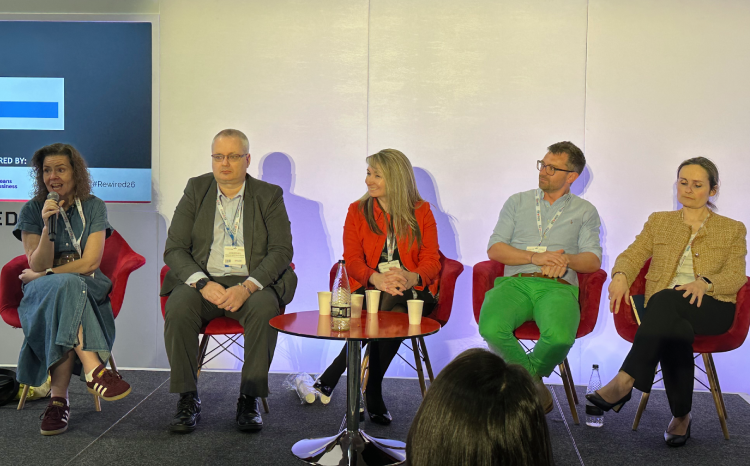
In a session on the Digital Leadership Stage at Digital Health Rewired 2026 titled ‘Leading Change’, the Networks chairs argued that the health service often prioritises new innovations over fully embedding and optimising systems that are already in place.
Hayley Grafton, chief nursing information officer (CNIO) at University Hospitals of Leicester NHS Trust and chair of the Digital Health Networks CNIO Advisory Panel, said the sector tends to be distracted by emerging solutions, rather than starting with clear problems to solve.
“We see the next shiny thing, and we think I’d love to use that. How could we use it? What could we solve with that? So, we start with a solution and try and tune in on a problem just so we can use it, and I’m completely guilty of that,” she said.
The panel suggested that this approach risks limiting the impact of digital transformation, as organisations fail to maximise the benefits of tools they have already invested in.
Ben Jeeves, chief clinical information officer (CCIO) and clinical safety officer (CSO) at T-Pro and chair of the Networks CSO Council, highlighted that many systems are underutilised, despite significant investment.
“What I’m seeing is we’re not realising the benefit of digital tools enough,” he said.
“I hear a lot of talk about we’ve got to sweat the assets; we’ve got to get more out… we built the tool for you. It’s there, the tech exists, but we’re not getting the best out of it because we are not changing things.”
The discussion also pointed to a lack of follow-up and evaluation after implementation, with organisations moving quickly onto new initiatives.
“We never really get time to go back and reflect on what we’ve done, have we done it well? Is it working? Are people using it as we intended? We always will look to the next big thing, next shiny thing,” Grafton added.
John Mitchell, associate director of digital at NHS Humber and North Yorkshire Integrated Care Board (ICB) and chair of the Networks ICS Digital Council, used the NHS App as an example of how benefits are often real but invisible due to the NHS sometimes being poor at telling the story of digital success.
He said the “most people don’t understand the impact and benefits of the NHS App” because the benefits are “hidden”.
The session also featured Dr Penny Kechagioglou, consultant clinical oncologist, CCIO and deputy chief medical officer at University Hospitals Coventry and Warwickshire NHS Trust and chair of the CCIO Advisory Panel, and Amy Freeman, chief digital information officer at University Hospitals of North Midlands NHS Trust and chair of the CIO Advisory Panel.
Digital Health Rewired took place 24-25 March 2026 at the NEC in Birmingham.


1 Comments
Been saying this for years now – Really amazed that the NHS dose not exploit what they have while engaging in straight forward process redesign with the focus of improving productivity and get help to build and organisations capacity and capability for change. Because that works, instead of making bets on technology.
Comments are closed.