
Major genomics data study hits recruitment milestone
- 27 March 2026


- The Generation Study, which is exploring genome sequencing for newborns, has recruited half its intended study group
- Data collected can assist researchers in further work on genes and health
- The NHS 10 year health plan sets out an ambition for genomic sequencing for babies to become universal in England by 2035
A project exploring whether genome sequencing for newborn babies should become part of routine care has recruited half its intended study group, delegates at Digital Health Rewired heard.
The Generation Study, which is being run by Genomics England, is exploring the potential benefits of using the method to screen babies for rare genetic healthcare conditions.
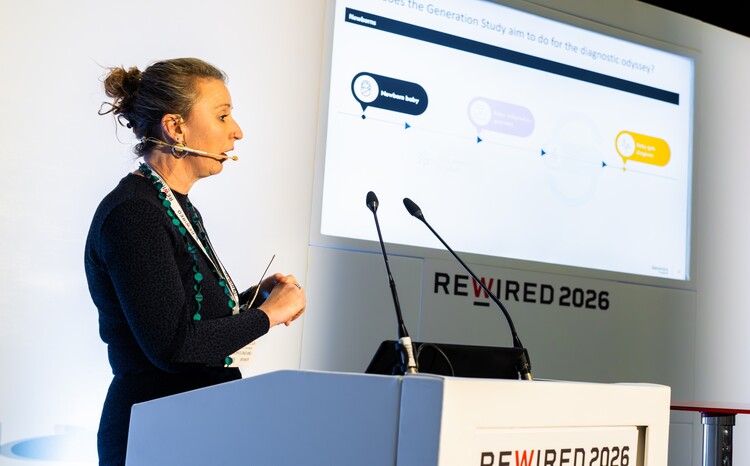
Speaking at Rewired on 25 March, Jenna Cusworth-Bolger, senior service designer at Genomics England, said there are now 77 recruiting sites for Generation Study, with the most recent added earlier this week.
Cusworth-Bolger confirmed that 52,000 participants have been recruited of the 100,000 needed for the study. Of the 36,000 results returned, 128 indicated a possible condition, allowing for early intervention.
“By getting a whole genome sequence, that baby can get a diagnosis much more quickly – before a parent even suspects they’ve got symptoms.
“That means they’re then getting treatment straight away,” Cusworth-Bolger said.
She added that the programme is ahead of schedule, with 100,000 families on course to have been recruited by early next year.
“By that point we will have our evidence base, go into evaluation, and hopefully we will be able to bring this into NHS standard care and make genomics part of all our futures,” she said.
The NHS 10 year health plan sets out an ambition for genetic screening to become universal by 2035.
Currently newborns in England receive a blood spot test – often referred to as a heel prick test – which can detect 10 rare conditions.
But with genome sequencing, potentially thousands of rare neurological, gastroenterological and endocrine conditions could be screened for. The resulting data could also help further healthcare research.
The Generation Study is focusing on 200 individual issues caused by genetic change, which have been selected because they are known to be identifiable by genome sequencing and that treatments are available for them.
Liverpool Women’s University Hospital and the Jessop Wing specialist maternity unit in Sheffield have both announced that more than 1,000 families have signed up to the study.
The UK is widely perceived as a global leader in the field of genomics, which involves the study of an individual’s genetic material, including how someone’s genes interact with one another and with the environment.
It generates vast amounts of data, valuable not only in exploring an individual’s health but also in driving broader understanding of an array of conditions.
Genomics England is responsible for developing the IT systems which enable analysis and storage of whole genomes.
The organisation supports delivery of NHS England’s genomic medicine service which enables clinicians to request full genome sequencing for patients with certain rare diseases and cancers.
Genomics England has now created new clinical decision support software to support the service, principal user researcher Laura Valis told Rewired.
“We wanted to move away from legacy and third party products, and to streamline the experience for users so they weren’t moving between external and internal products,” Valis said.
At Rewired 2025 industry partners and NHS organisations were urged to partner on efforts to build a national unified genomics record.