Bradford Teaching Hospitals uses AI to detect skin cancer faster
- 6 May 2026


- Bradford Teaching Hospitals has introduced AI technology to help detect skin cancer earlier
- The system from Skin Analytics aims to reduce waiting times by redirecting benign cases and prioritising patients with suspicious lesions for rapid treatment
- The three-year rollout is part of a wider NHS adoption, with the technology already in use at 25 trusts across the UK
Bradford Teaching Hospitals NHS Foundation Trust has begun using AI with the aim of detecting skin cancer earlier.
The new approach was adopted at St Luke’s Hospital, part of the trust, on 30 April 2026, with healthcare staff set to use the AI software over an initial three-year period to rapidly analyse skin lesions and flag those that are likely to be cancerous.
The Deep Ensemble for Recognition of Malignancy (DERM) technology, developed by Skin Analytics, analyses images to support triage of skin lesions, redirecting benign cases to non-urgent pathways and reducing waiting times by efficiently triaging patients with suspicious skin lesions.
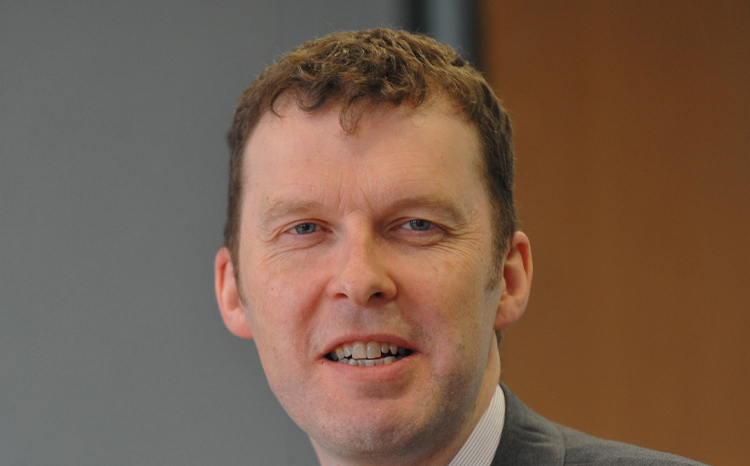
Zakir Shariff, consultant plastic surgeon and clinical lead for skin cancer at Bradford Teaching Hospitals NHS Foundation Trust, hailed the project as “the future of skin cancer diagnosis in this country”.
“Combining this cutting-edge AI will give us the capacity to pick up potentially serious skin lesions quicker and speedier than current processes.
“We have 5,000 referrals every year for skin cancer at the trust – all of whom are seen within the two-week cancer referral-to-treatment pathway – yet only 8% or 400 patients are found to have malignant cancer.
“DERM technology can instantly pick up potentially serious skin lesions, making diagnosis far speedier than current human processes allow so it will also help our doctors and surgeons concentrate on treating the most urgent cases,” he added.
After a patient has been referred by their GP into the new, three-times-weekly tele-dermatology service, healthcare staff will take detailed photographs of any suspicious skin lesions.
An algorithm will analyse each image for detailed, visual characteristics to provide a suspected diagnosis and direct the most appropriate next steps for patient care.
If a lesion is identified as suspicious, the patient will be directed to the consultant dermatologist for further investigation in the ‘one stop clinic’ located next door to the ‘image capturing’ clinic and running alongside it.
The dermatologist will see patients whose mole is identified as cancerous and perform an immediate excision which will be sent to the laboratory for diagnosis.
Tom White, general manager for Musculoskeletal and Therapies Clinical Support Unit which covers plastics and dermatology, said: “At a time of increasing referrals to dermatology services for suspected skin cancers, early evidence suggests automated use of DERM could be a game changer.
“It will significantly reduce the number of urgent referrals that require review by dermatologists, reducing waiting times and allowing us to concentrate on the most urgent cases.
“We will also have the capacity to see this service go out into the community and GP surgeries which means that, in the future, patients won’t need to come to hospital which we know is more stressful for many.”
According to Skin Analytics Performance Reports, DERM is already known to be 99.7% accurate at ruling out skin cancers meaning diagnosis is quicker and avoids long waits so safer for patients.
The AI programme is currently running in 25 other NHS trusts around the UK, including Manchester University, Liverpool University Hospitals, University Hospitals Dorset, and Dorset County Hospital NHS Foundation Trusts.