
Tang and Ferris to lead data and tech group for 10 year health plan
- 8 November 2024



- Ming Tang, chief data and analytics officer at NHS England, and Tim Ferris, professor of medicine at Harvard Medical School, will lead the data and technology working group for the government's 10 year health plan
- Wes Streeting, health secretary, has established 11 working groups to support the plan's development
- Vin Diwakar, national transformation director at NHSE and Lord Darzi, director of the Institute of Global Health Innovation at Imperial College London, will co-chair the working group for enabling research, life sciences and innovation
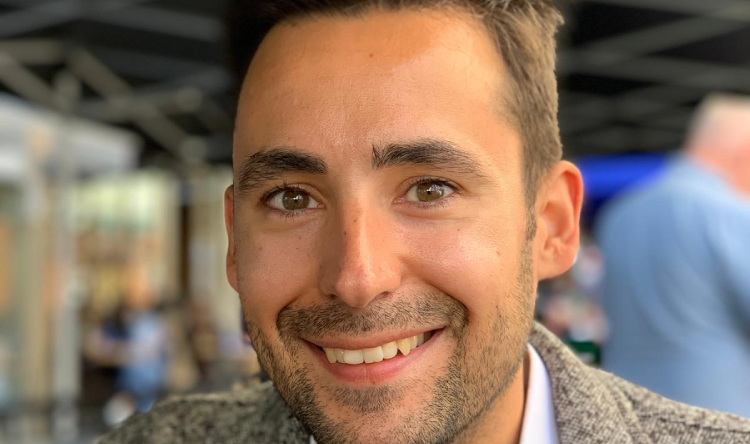
The government has announced that Ming Tang, chief data and analytics officer for NHS England, and Dr Tim Ferris, professor of medicine at Harvard Medical School, will lead the data and technology enabling working group for its 10 year health plan.
Wes Streeting, health secretary, has established 11 working groups to support the development of the plan, which is due to be published in spring 2025.
Four ‘vision’ groups will consider the future vision for the NHS and seven ‘enabling’ groups will consider areas that need to change to make that vision a reality.
Tang and Ferris, who is former national director of transformation at NHSE, will co-chair a group exploring how the NHS should focus its resources to maximise the impact of data and technology.
It will also consider how life can be made easier and more productive for those who work in the NHS, and the use of data to more effectively plan, manage and deliver services.
Meanwhile, Dr Vin Diwakar, national transformation director at NHSE, and Professor Lord Darzi, director of the Institute of Global Health Innovation at Imperial College London, will head up the working group for enabling research, life sciences and innovation.
The group will consider how the NHS can identify and capitalise on technologies such as genomics, AI, engineering biology and quantum sensing.
It will also look at how the NHS supports research and innovation, including in life sciences, and what can be done to increase the speed and scale of adoption of new innovations.
Other working groups will explore people, finance and contracting, physical infrastructure, data and technology, accountability and oversight, and mobilising change.
Each group will have two co-chairs: one from either the Department of Health and Social Care (DHSC) or NHSE, and one external to these organisations.
The full membership of the working groups will be published in December 2024.
Prime minister Sir Keir Starmer pledged that the government would create a 10-year plan following the publication of Lord Darzi’s independent review of the state of the NHS in England, published on 12 September 2024.
The plan will be based around three major shifts: moving from an analogue to digital NHS, from hospitals to communities and from sickness to prevention.
In October 2024, DHSC launched the Change.NHS.uk online engagement platform for members of the public, NHS staff and experts to share their ideas to shape its 10 year plan.
Tang will be speaking at Digital Health Rewired 2025 which is taking part at the NEC in Birmingham on 18-19 March 2025.