
Marc Farr: We’re trying to be a critical friend to the FDP
- 25 February 2026
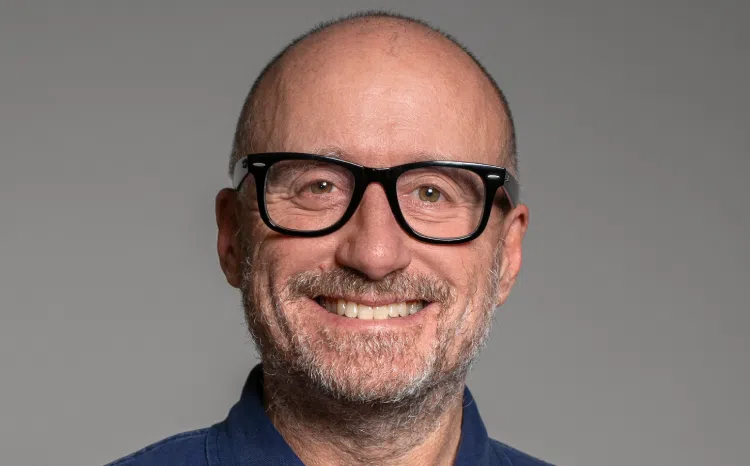


As chair of the Chief Data and Analytical Officer Network, Marc Farr has played a prominent role in the debate surrounding the federated data platform (FDP).
Farr wrote to Ming Tang, interim chief digital and information officer last year, flagging concerns that the national platform risked undermining local data infrastructure.
But ahead of Rewired 2026 – where he will discuss the implementation of the FDP – he told Digital Health News that the intention was always to be a “critical friend” to the national initiative.
Farr doesn’t much care who wins technology contracts, at national or trust level. The chief analytical officer at East Kent Hospitals NHS Foundation Trust says the focus on IT obscures what really matters now: data.
In December 2024, you warned that a desperate shortage of clinical coders was impeding progress in the flow of clinical information and NHS funding flows. Has there been any improvement?
It could all become much worse because NHS England, in their infinite wisdom, have decided to record same day emergency care activity as admitted patient care. It means clinical coders will have to go through those notes and clinically code them – a huge amount of activity.
People say AI and automation will read the notes and clinically code it for you. And that might be the case five years from now, but it won’t be the case through the next year or two at least.
I’ve got regular meetings with NHSE to see if we can come up with a way around it, but as it stands it’s going to be a big issue.
If they go ahead with the plans they’ve got, a trust like mine will need about six additional clinical coders. That’s hundreds of clinical coders that are going to need to be trained.
The other big dynamic is the financial situation. The movement back to activity based payment means you’re going to need more clinical coders because if we don’t write something down and clinically code it, we won’t get paid for it.
Is there enough expertise and leadership in the NHS to handle data as it becomes more ‘liquid’?
We’re still in the foothills.
We have an NHS dominated by the big four management consultants. If we want to make a big strategic decision, then we pick up the phone to consultants who sometimes don’t understand the nuance of the data. We have to wean ourselves off this cycle of seeking management consultancy.
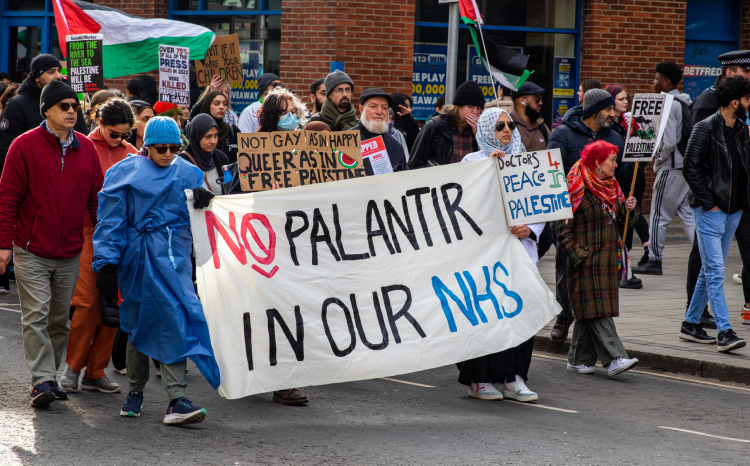
There are some people who are very vocal about Palantir. I’m not really one of them.
I’m not convinced NHS England is there strategically on data analytics
What worries me is that the NHS doesn’t have a plan to enable data-driven decision making. I think we need a senior analyst on the board, on the exec team, of every trust in the country, and we don’t have that yet.
We’ve created the chief data analytical officer role, and we have a network that puts a lot of leadership stuff out, but it feels like it’s us driving it as a network as opposed to us delivering what NHSE have set out. I’m not convinced they are there strategically on data analytics.
You wrote to Ming Tang raising concerns about the FDP. Have the concerns been addressed?
I think Ming’s and others’ positions have softened. There was a rhetoric that you had to do everything in the FDP and nothing else mattered.
Now they’re saying, ‘OK, we realise that you might want to export data from the FDP. You might want to take the data into your local system or warehouse’.
They’re not going to make people use the FDP if they’ve already got something that does the same and they’re talking about publishing all the national data that’s collected in the FDP.
A lot of the big trusts just aren’t adopting the FDP, so there seems to be some politics in people starting to distance themselves a little from it.
There was a rhetoric that you had to do everything in the FDP and nothing else mattered
We’re less concerned [in the network] about the FDP now and more about technical building blocks that can handle patient data. I think we were trying to be a critical friend. It wasn’t an anti-Palantir letter.
Ming has said that the FDP is quite an ugly baby. The NHS planning guidance said if you’re not very good we’re going to make you use the FDP. If you’re doing quite well, then we’ll leave you alone.
It wasn’t ‘everyone shall do it’. It was, ‘all those who are on the naughty step will do it’.
I think what Ming said about egos is as relevant nationally as it is locally. I’ve been in a lot of FDP and Palantir meetings where they’ve wheeled out all the big hitters to say you need to do what you’re told.
What needs to change to extract the maximum value from the vast resources of NHS data?
It’s multifaceted. One of the things that drives me mad in the NHS is that everyone records their data in a slightly different way. Within the FDP programme there are some useful initiatives, such as the canonical data model.
The second point, which is a big one, is around information governance (IG). There’s a whole load of research that says most people trust the NHS to do sensible things with their data, but we still have a very cautious IG position.
Who’s going to get the contract to do the single patient record? It doesn’t matter. Get the data layer right
The other point is that the people who make and produce the ‘pipes’ [software] have the power. I’m trying to wrestle that away from them. No one cares how many drop downs are on a page, as long as the data layer behind it has integrity.
Who’s going to get the contract to do the single patient record? It doesn’t really matter. Get the data layer right. None of this stuff is about IT – it’s about data.
The FDP has a whole load of functionality that no one cares about. But if you give me all the national data, all linked up, that’s interesting. You have to get integrated data working.
We need to say to software providers, we will buy your electronic patient record, but only if you sign a contract which says all the data belongs to us, it’s all recorded in the right way, and it all links to national data standards.
What key message will you bring to Rewired 2026?
I’m quite exercised about how we nationally coordinate data into one place and make it easily available for people.
The second thing, is the massive opportunities in data science. There will be load of AI people saying ‘you need to give us a few hundred grand a year to do this for you’, but we can do a lot of this stuff ourselves.
Farr will be speaking at Digital Health Rewired, which is taking place on 24-25 March 2026 at The NEC in Birmingham. Register here.
Rewired 2026’s headline sponsors are The Access Group and Optum, who will also sponsor the Integrated Care and Digital Transformation stages respectively.