
One in seven use AI chatbots instead of seeing a doctor, poll finds
- 21 May 2026


- One in seven UK adults prefer using AI chatbots for healthcare advice instead of seeing a doctor, according to a recent poll
- Convenience, curiosity and uncertainty about whether symptoms warranted a GP appointment were the most common reasons for using chatbots
- Researchers and campaigners warned that while AI can support access to information, it should not replace professional medical advice
One in seven UK adults prefer to use AI chatbots for healthcare advice rather than seeing their doctor, according to a poll analysed by researchers at King’s College London.
The research, conducted in March 2026, found that a quarter (25%) of the 2,083 UK adults aged 18+ surveyed cited NHS waiting lists as the main reason for turning to chatbots.
The most common reasons were convenience (46%), curiosity (45%), and uncertainty about whether their concern was serious enough to contact a GP (39%).
Among those who have used AI for health advice, 59% said it has been good for their physical health and 53% for their mental health.
However, views on its impact on the wider public are less positive, with 42% of respondents believing that AI chatbots are bad for mental health and 31% saying they are good. Opinion is more evenly divided on physical health (33% bad, 36% good).
Amy Clark, senior policy fellow at the Policy Institute at King’s College London, said: “These findings reveal a striking gap between how AI is being used for health and how the public feels about it.
“People are already turning to AI chatbots instead of their GP – driven by convenience and stretched NHS capacity – yet the wider public remains anxious about where this is heading.
“What stands out is that women and young people are among the most sceptical, which challenges the assumption that familiarity with new technology creates acceptance.”
One in five (20%) of those who sought health advice from AI said the technology did not encourage them to seek a professional opinion and 21% said they decided against seeking professional healthcare advice because of something an AI chatbot had said.
Responding to the results of the research, Elizabeth Anderson, chief executive of the Digital Poverty Alliance, said: “The fact that one in seven people would now prefer to seek advice from AI chatbots rather than a doctor reflects both growing pressure on public services and a wider shift in how people access information online.
“While AI can play a valuable role in supporting access to information, it cannot replace professional medical expertise, human judgement, or compassionate care.”
The research also found that younger people, aged between 18 and 24, are most opposed to clinical use of AI in the NHS, with almost half (49%) saying they opposed it, compared with 36% of those aged 65 and over.
“As AI tools become more embedded in everyday life, we must ensure people are equipped to engage with them critically, confidently, and safely, especially when it comes to decisions about their health and wellbeing,” Anderson added.
Last year, the Medicines and Healthcare products Regulatory Agency (MHRA) advised that AI chatbots should not replace advice from healthcare professionals after research found one in four UK patients are turning to AI and social media for health guidance.
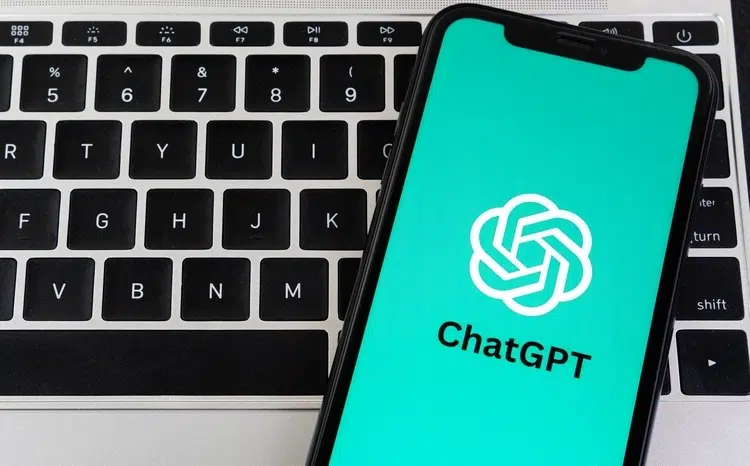
Earlier this year, a study published in Nature Medicine found that ChatGPT Health incorrectly triages more than half of medical emergencies and frequently fails to detect suicidal ideation.