
Outdated IT systems increasing GP workload, RCGP finds
- 1 May 2026


- Outdated and poorly integrated IT systems are increasing GP workload, Royal College of General Practitioners (RCGP) research has found
- GPs are experiencing frequent IT-related delays and have low confidence in system performance
- There is strong for support investment in better digital infrastructure
Outdated and poorly connected IT systems are increasing workload pressures in general practice, according to a new Royal College of General Practitioners (RCGP) report.
In ‘Tackling the GP workload crisis’, published in April 2026, the RCGP argues that fragmented technology across the NHS is driving hidden and avoidable work for GPs, contributing to stress, inefficiency and less time for patient care.
The RCGP found that problems with referrals, poor interoperability and manual data entry are creating extra administrative burden for already overstretched practices.
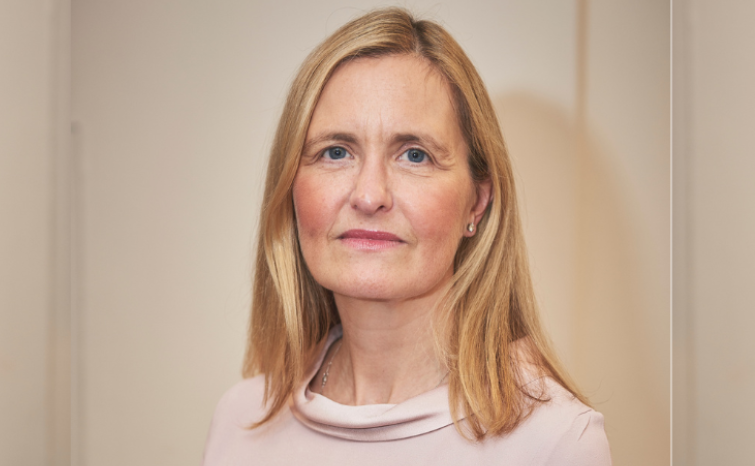
Professor Victoria Tzortziou Brown, chair of the RCGP, said: “GPs are routinely working beyond their hours to keep patients safe, but too much of their time is being taken up by bureaucracy and system inefficiencies that often add little value to patient care, particularly where requirements are duplicative or disproportionate.
“From chasing referrals to navigating fragmented IT systems and complex regulatory requirements, GPs are increasingly being asked to pick up work that should sit elsewhere in the system.
“This is frustrating for both doctors and patients, and it reduces the time we can spend delivering direct care.”
The report builds on the RCGP’s ‘Uncovering the GP workload burden’ report published in December 2025.
The recommendations are based on evidence and analysis from the RCGP, including a survey of 2,316 GP respondents across the UK, and a deep-dive mixed method research project, which included a literature review, in-depth interviews with 14 GPs and one practice manager, and a time and motion study with 11 GPs.
GPs described systems as “clunky” and inconsistent, particularly when communicating with secondary care, completing referrals and handling follow-up work.
On average, GPs report spending 25-30 minutes a day on this kind of system-generated work, the equivalent of £410 per GP per day, according to the report.
According to the research, 27% of participants in the time and motion study reported daily IT-related delays, and only 21% said their systems’ ability to exchange information with secondary care was fit for purpose or of an acceptable standard.
Referral systems were highlighted as a particular source of pressure, with GPs reporting repeated referrals, duplicate data entry and the need to manually complete non-integrated forms.
Lost, bounced back, or rejected referrals were also said to create additional work, often requiring practices to re-send information or chase progress.
There was strong support among GPs for better digital infrastructure. The research found that 91% said an improved digital interface between primary and secondary care could help improve workload.
More than eight in ten (81%) said the introduction of e-prescribing in secondary care would help, while 73% said an integrated electronic shared patient record could reduce pressure.
The college makes some recommendations in the report, including calling on the Department of Health and Social Care (DHSC) and NHS England to “invest in modern, interoperable IT systems” that reduce duplication and “ensure digital systems reduce workload and are safe”.
A DHSC spokesperson told Digital Health News: “This government is rebuilding general practice, placing GPs at the heart of our 10 year health plan, ending the 8am scramble and bringing back the family doctor.
“Through our red tape challenge, we are bulldozing bureaucracy, so doctors spend more time with patients.
“As we shift from analogue to digital, we will harness cutting edge technology to cut administrative work by rolling out AI scribes, automating note taking, saving GPs time and boosting productivity.
“To support general practice, we have invested £1.7 billion over two years, recruited 2,000 more GPs and ringfenced nearly £300 million for an additional 1,600 – and now have a historic high of 40,000 GPs in the workforce.”