

Lack of standardised health data is a barrier to NHS App plans
- 31 July 2025


- A Digital Health Networks webinar explored the ambitions for the NHS App in the 10 year health plan
- Siloes in the NHS, a lack of standardised data and the confusing multitude of apps were identified as challenges
- Concerns were raised that older people without smart phones could be excluded from digital plans
Siloes in the NHS and a lack of standardised data are barriers to the government’s digital health plans, according to a panel of experts.
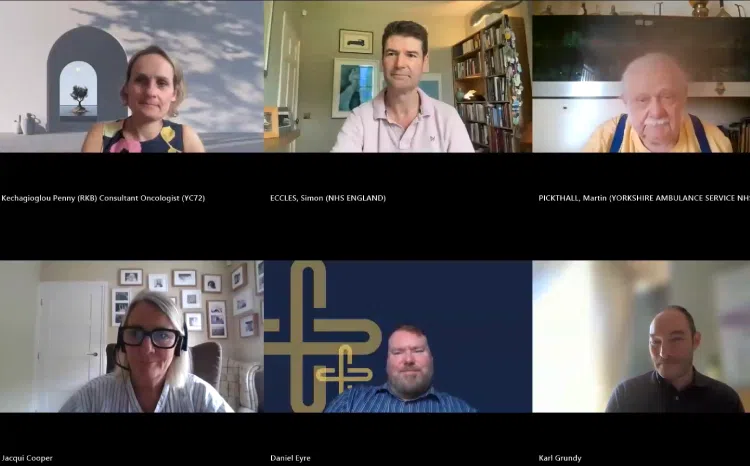
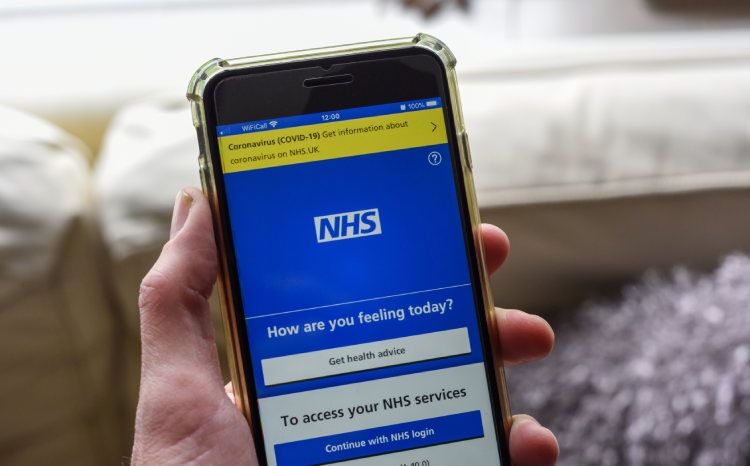
A webinar, held by Digital Health Networks on 25 July 2025, explored the ambition in the 10 year health plan for the NHS App to be the “new front door” to the health service.
The panel agreed that the app, alongside a single patient record, could help patients take control of their healthcare, but identified several challenges to implementing the plans.
Penny Kechagioglou, Chief Clinical Information Officer (CCIO) Network Advisory Panel chair and CCIO of the year, said that the NHS App offers “a huge opportunity to standardise what we do”.
“I see patients using different apps and it’s very confusing for them and it’s poor patient experience.
“People come to different service providers in the system and each one suggests a different portal. I mean that cannot be it.
“It has to be one way of doing things. It has to be efficient, and it has to be a good patient experience,” she added.
Jacqui Cooper, Integrated Care System Digital Council member, raised “difficulties around the data that’s inputted into the app, where that data goes and what we do with that data”, adding that patients are confused by the “multitude of apps out there”.
“How do we now, with a clear drive to utilise the NHS App, almost backtrack and find what’s out there in order to get it to a single front door? I think that’s a huge challenge,” Cooper said.
Daniel Eyre, vice president of business development at CereCore, suggested that the NHS App could “be a front door and then jump off to other applications behind that”.
“We could deliver some of these digital services via the NHS App and then once you’re doing that, you can then integrate some of that information back into clinical records or pass information easier between those applications.
“I think that’s where we need to start off – looking at some of the quick wins, some of the stuff where the technology is already there and we can already integrate it,” he said.
Simon Eccles, chief health officer and vice president at Salesforce, said that for the government’s digital plans to work there needs to be “aggregation on demand” and for NHS data to be correctly associated with its citizen uniquely every time.
“We’ve got the NHS number, but we don’t use it in most hospitals,” Eccles said, adding “I think that’s nuts”.
Martin Pickthall, chair of Humber Primary Care Patient Participation Group, raised the issue of silos within the NHS and the reluctance of clinicians to share information.
“Until the law is changed to make it that the information belongs to the patient – not the hospital, not the doctor – that won’t change,” he argued.
He added that there is a danger that older people will be excluded by NHS digital plans.
“A classic example is my next-door neighbour who’s 88. She doesn’t have a smartphone, doesn’t have anything IT at all.
“There’s no way she can use the NHS App,” he said.
The session was chaired by Karl Grundy, managing director at Digital Health. Click here to watch the full webinar.


1 Comments
First understand WHY we’re in this position. The NHS was never a single organisation; the centre specified data sets only for the data it wanted to receive; PAS systems were implemented to collect the Korner data, not just to help with patient administration; service delivery innovation happens at the sharp end and leads to systems out of sync with other organisations; GPs run businesses and wanted systems to help with their running; hospitals can’t always get the NHS number for an emergency patient, but they can get their trust’s medical records number for the patient (or create a new one); GPs record data on comorbidities to differing standards (hospital consultants can access this but, as one told me, ‘it’s a bit sketchy’); GPs have configured their systems differently, even those from the same supplier. First sort out the data management issues and then it will be a lot easier to share the data between organisations and with the patient. Local innovation plus adherence to national (or regional) standards – square that circle.
It is crazy that lack of standardised data is holding us all back after all this time. HL7 FHIR (R4+) is fit for purpose, but the idiotic decision to rely on SNOMED CT for all health data, and not to use LOINC as well, is doing us no favours. FHIR, SNOMED and LOINC together will do most of wat we want. Do it.
Comments are closed.