People want reform of AI regulation in healthcare but not overhaul
- 21 April 2026
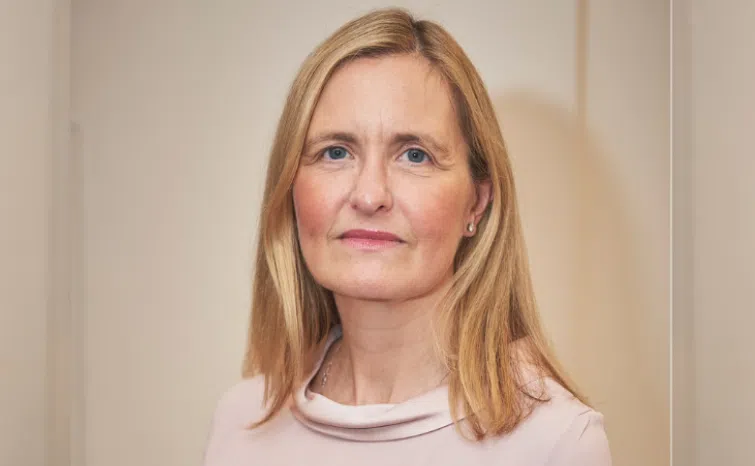


- Public and clinicians have raised concerns about the safety, monitoring and liability of AI in healthcare
- An MHRA call for evidence found people are more comfortable with AI supporting clinicians
- The commission's recommendations are expected in summer 2026
Concerns about safety, oversight and liability are driving concerns about the use of AI in healthcare, according to findings from the Medicines and Healthcare products Regulatory Agency (MHRA).
A call for evidence, launched in December 2025, highlights unease about the monitoring of AI tools and who is responsible when things go wrong, according to a blog post by Professor Henrietta Hughes, patient safety commissioner.
The findings will inform the National Commission into the Regulation of AI in Healthcare, which was established to support faster adoption of AI tools such as ambient voice technologies.
More than 770 responses were submitted by clinicians, industry, patients and the public before the consultation closed in February 2026.
Hughes, who is deputy chair of the commission, said that there was “strong support for reform of the current regulatory approach”, with concerns raised about how AI medical devices will be monitored after deployment and who will be liable once AI becomes more involved in clinical decision-making.
“Addressing this will be vital for protecting patients, supporting clinicians and building trust, and will require collaboration across the system,” she said.
Hughes added that “people want meaningful change, but not a complete overhaul” of the current regulations.
Alongside the call for evidence, Hughes said that a wider programme of engagement is underway to ensure a broad range of voices shape the commission’s work.
The MHRA has worked with patients and communities, including those often left out of these conversations, such as people with learning disabilities, carers and young people, in partnership with National Voices.
It has also supported public discussion sessions delivered by The Health Foundation with Ipsos MORI, and consultations with its Patient and Public Community.
“These discussions show that people are more comfortable with AI supporting clinicians, for example by reducing administrative burden, than making high‑stakes decisions independently.
“There is strong emphasis on human oversight, transparency, and evidence that these technologies work safely for everyone.
“Across all engagement, a consistent picture emerges trust is central to whether the benefits of AI in healthcare can be realised,” Hughes said.
The commission’s work is supported by four working groups bringing together expertise across health systems, technology, devolved nations and government.
“As chair of the Health Systems Working Group, my focus has been on ensuring AI is used in ways that include the patient’s perspective.
“This means taking a patient‑centred view of how technologies are designed, implemented and overseen in everyday healthcare settings,” Hughes added.
The commission’s recommendations are expected to be published in summer 2026.
Hughes is hosting an open public webinar on the commission on 20 May 2026, with Lawrence Tallon, chief executive of the MHRA, and Professor Alastair Denniston, chair of the commission.
You can register and submit your questions in advance here.