

PwC to conduct internal review of breast cancer screening programme after IT error
- 15 May 2018
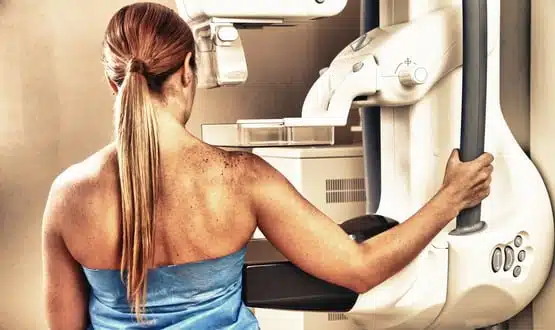


Consultancy firm PwC has been commissioned by Public Health England (PHE) to carry out an internal review of the breast cancer screening programme after it was reported an IT error may have caused up to 450,000 women to miss their final screening.
Jeremy Hunt told MPs in May that a “computer algorithm failure”, which dated back to 2009, meant a group of women were not sent routine screening invitations before the cut off point of their 71st birthday.
A spokesperson for PHE said the organisation, which runs the breast cancer screening programme, has “commissioned help from PWC to support our work on the breast screening incident”.
An independent review into the programme is due to be chaired by the Macmillan Cancer Support chief executive, Lynda Thomas, and Professor Martin Gore, consultant medical oncologist at the Royal Marsden.
Health and Social Care Secretary, Jeremy Hunt, said the review would be published within six months.
Hunt told MPs “no stone will be left unturned in uncovering the truth.”
All women aged 50 to 70 who are registered with a GP are automatically invited for breast cancer screening every three years as part of the programme.
However, it is believed that due to the IT error, an estimated 450,000 women aged between 68 and 71 were not invited to their final breast screening between 2009 and the start of 2018.
Initial estimates, which Hunt said are based on “clinical modelling rather than patient reviews”, have suggested that between 135 and 270 women may have “had their lives shortened as a result”.
Since the announcement was made, it has been reported that almost 14,000 women have already contacted a helpline which was set up for those who believe they may have been affected.
PHE has yet to give details about the exact nature or cause of the error.