
BT’s CEO backs NHS IT boss
- 15 May 2006


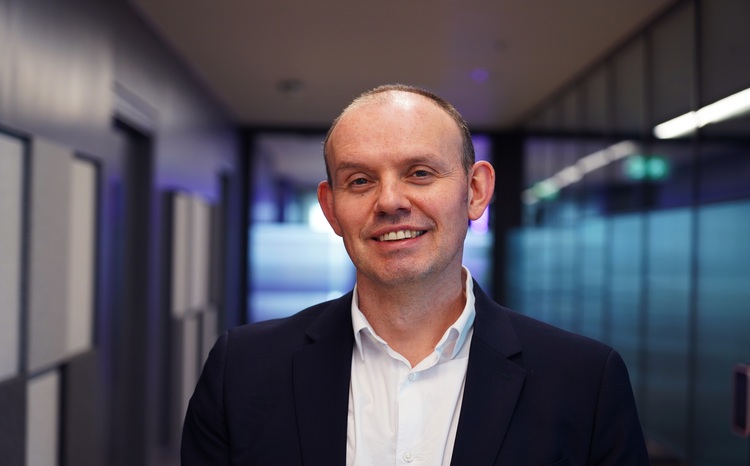
The chief executive of UK telecomms giant BT has lent his support to Richard Granger, the head of NHS Connecting for Health, the agency responsible for delivering the £6.2 billion programme to digitise the NHS and create a national system of electronic patient records.
In an interview with the Sunday Times Ben Verwaayen firmly backed Granger, who has been criticised for delays in delivery of key areas of the IT programme. While some elements of the IT initiative have been delivered, such as infrastructure, the core patient record system and hospital clinical systems are subject to growing delays.
Verwaayen told the newspaper Granger’s critics had got the scale of the problems out of perspective, and failed to understand the extent of the changes being implemented.
“Richard Granger is doing a good job,” said Verwaayen. “He’s one of our most difficult, demanding and therefore capable customers.”
The BT CEO added: “When you’re in a transformation, it’s easy to say, ‘I can see flaws here, here and here.’ That’s what transformation is all about. My advice is let it run.”
Relations have not always been so warm between BT and the head of NHS CfH. In July 2005 Granger publicly warned BT that it must resolve problems with the London region implementation or risk losing its contract.
BT, which is the lead contractor responsible for the London “cluster”, together with the national NHS data “spine”, and NHS broadband network, is still running significantly late in delivery of key parts of its contracts.
In London it has to date delivered a new integrated patient administration system, from contractor IDX, to just one hospital – Queen Mary and Sidcup. This compares with over 10 acute hospitals provided with equivalent systems by Computer Sciences Corporation in the North West and West Midlands region. BT has also previously been penalised for problems in the delivery of the spine.
Accenture, another of the lead contractors on the project, recently had to make a $450m (£237m) provision for losses due to late delivery, partly due to software delivery delays from iSoft.
Verwaayen told the Sunday Times, however, that the outlook looked bright. “We are very happy with the progress,” he said. “Some of our colleagues have told their shareholders that they have difficulties. You have not heard us say that so far, and I don’t think you will. We are in good shape.”