Commissioning for outcomes a ‘priority’
- 17 May 2013



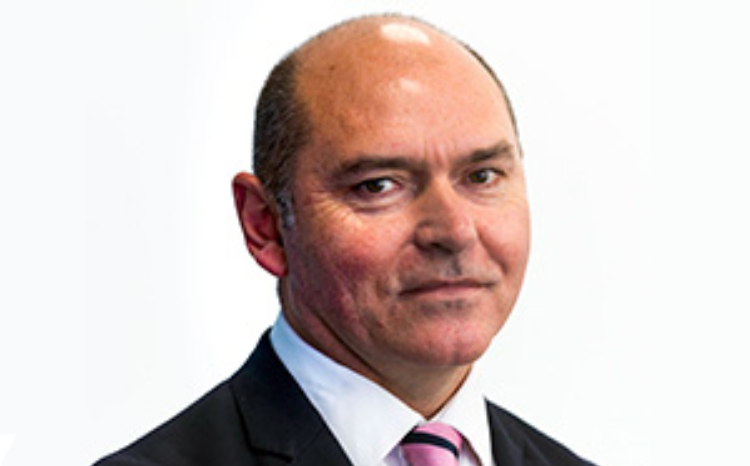
NHS England is committed to a making commissioning and contracting for outcomes an “absolute priority”, its director of commissioning support strategy and market development says.
Bob Ricketts told EHI’s Information for Commissioning conference attendees on Wednesday that the board was working with a number of clinical commissioning groups to make changes to commissioning structures.
“We need to move away from tariff-based activity-based payments into commissioning for whole populations or sub-populations,” he said.
“There are some small-scale attempts to try it out.”
The change would have huge implications for information systems and analysis to support that.
He said suppliers had to tailor products to commissioning organisations that were hugely variable. The saying in the NHS was, “if you’ve met one CCG, you’ve met one CCG”.
However, CCGs needed to act collaboratively to get the best efficiencies in support and information.
Current support services were built around previous organisations and did not focus heavily enough on community services, Ricketts said.
This would have to change as the objective was to move more care into the community, so commissioners would need more information and data about these services.
The NHS also had to reorient itself towards prevention and self-care.
Commissioning support units could be transformational, he said, but were still at very early stages of development.
“Clinical commissioners have to lead that service transformation,” Ricketts added.
He said better information and transparency could also drive out inequalities in primary care, which he described as the, “elephant in the room”.
“NHS England is committed to putting in place the integrated information systems needed to enable excellent commissioning,” Ricketts told the audience.
“Every commissioner needs to review their information needs and provision. CSUs can play a major role in doing that review. It needs to be focused against priorities for improving quality and the big strategic QIPP2 challenges.”
This stock take of local systems provision would enable them to identify and tackle the big issues, he explained.
In response to a question from the audience, Ricketts acknowledged that while better integration could ultimately save money, it needed “significant pump priming investment” to get started.
He said that foundation trust regulator Monitor, the Department of Health and NHS England were doing a major piece of work around integration focusing on the barriers and investment was a barrier that needed to be recognised.
“People in this room have a role in making sure NHS England, Monitor and the DH are well aware of that.”