
University of East Anglia develops MRI tech for heart failure diagnosis
- 27 September 2022



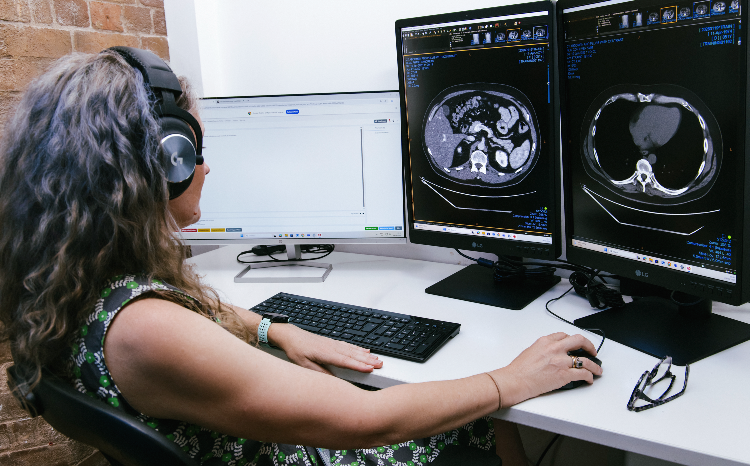
Researchers at the University of East Anglia (UEA) have developed a technology that uses magnetic resonance imaging (MRI) to speed up the diagnosis of heart failure.
The Kat-ARC 4D heart flow MRI creates detailed 4D flow images of the heart in just eight minutes. In comparison, a conventional MRI can take more than 20 minutes. The precise image that is created shows the heart valves and blood flow inside the heart, helping doctors to determine the best course of treatment for their patients.
The technology has been used on 50 cardiology patients from the Norfolk and Norwich University Hospital (NNUH) and Sheffield Teaching Hospitals NHS Foundation Trust
Lead researcher Dr Pankaj Garg, an honorary consultant cardiologist at NNUH, said: “The best method to diagnose heart failure is by invasive assessment, which is not preferred as it has risks.
“An ultrasound scan of the heart called echocardiography is routinely used to measure the peak velocity of blood flow through the mitral valve of the heart. However, this method can be unreliable.
“We have been researching one of the most cutting-edge methods of flow assessment inside the heart called 4D flow MRI. In 4D flow MRI, we can look at the flow in three directions over time – the fourth dimension.”
The team behind the technology now hopes that it could significantly speed up heart failure diagnoses, leading to benefits for both hospitals and patients across the globe.
Dr Garg said: “This technology is revolutionising how we assess heart disease and our research paves the way for the super-fast 4D flow MRI scans by halving the scan time. This will benefit hospitals and patients across the whole world.”
The project was funded by the Wellcome Trust, and was led by researchers at the University of East Anglia in collaboration with NNUH, the University of Sheffield, Sheffield Teaching Hospitals NHS Trust, the University of Dundee, GE Healthcare (Germany), Pie Medical Imaging (the Netherlands), and the National Heart Centre and Duke-NUS Medical School (both Singapore).
NNUH medical director Prof Erika Denton added: “NNUH is proud to have taken part in ground-breaking research which has the potential to improve the diagnosis and treatment of people with heart disease.”
At the start of August, NHS England announced it was looking for early adopters for its Managing Heart Failure@Home scheme – which will use remote monitoring technology to support patients.