Safeguards are needed for online consultation changes, says BMA
- 18 September 2025


- The BMA says that the government and NHSE have not listened to GPs' concerns around changes to online access
- From 1 October 2025 practices must keep online consultations open for non-urgent requests throughout core hours
- The BMA said that NHSE must allow flexibilities and implement safeguards to prevent practices from becoming overwhelmed
The British Medical Association (BMA) is calling for the government to implement safeguards to prevent GP practices being overwhelmed by changes to online consultation access.
Under changes to the GP contract, announced in February 2025, practices must keep online consultation tools open for non-urgent requests, medication queries and admin requests throughout core hours from 1 October 2025.
Currently, practices can switch these tools off as required to manage demand and the BMA has warned that allowing patients to book online GP appointments throughout the day could cause a spike in doctors’ workloads and create waiting lists.
A contract variation notice, published in August 2025, added that practices must also allow in-person and telephone access during core hours.
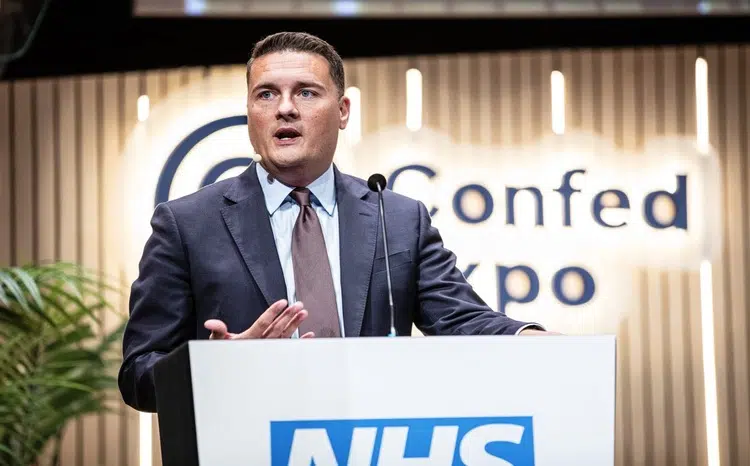
During a Q&A session at a BMA special representative meeting on the government’s 10 year health plan on 14 September 2025, Wes Streeting, health secretary, faced questions around the changes to access.
Streeting said the government would “do everything we can to support practices in terms of the change to online access from 1 October” but added that “in any kind of reform or change programme you’ll have your leaders and your laggards”.
Dr David Wrigley, deputy chair of the BMA GP committee, told Digital Health News: “The health secretary has said that he wants to do everything he can to support practices through the implementation of changes to online access – the only way this can be achieved is by listening to the voices of the profession.
“Rather than putting the blame at the foot of individual GPs, it is important that the government recognises that practices across the country will face huge challenges to bring about these changes.
“Worryingly, since the agreement in March, we are still waiting for NHS England to allow flexibilities and implement the necessary safeguards to prevent practices being overwhelmed and preventing patients submitting urgent clinical requests via online consultations.”
He added that GPs are striving to deliver the “best possible care for patients with a focus on the needs of local populations”.
“GPs are not against technological innovation, in fact we are the opposite, having been at the forefront of NHS digital innovation and development for decades.
“What we need is safe and careful change that benefits patients and improves the delivery of care, rather than overwhelming practices as we head into what will likely be another challenging winter for the NHS.”
Digital Health News contacted the Department of Health and Social Care for comment.